


Advancing GLP-1 Wellness.

Supporting
Digestion.

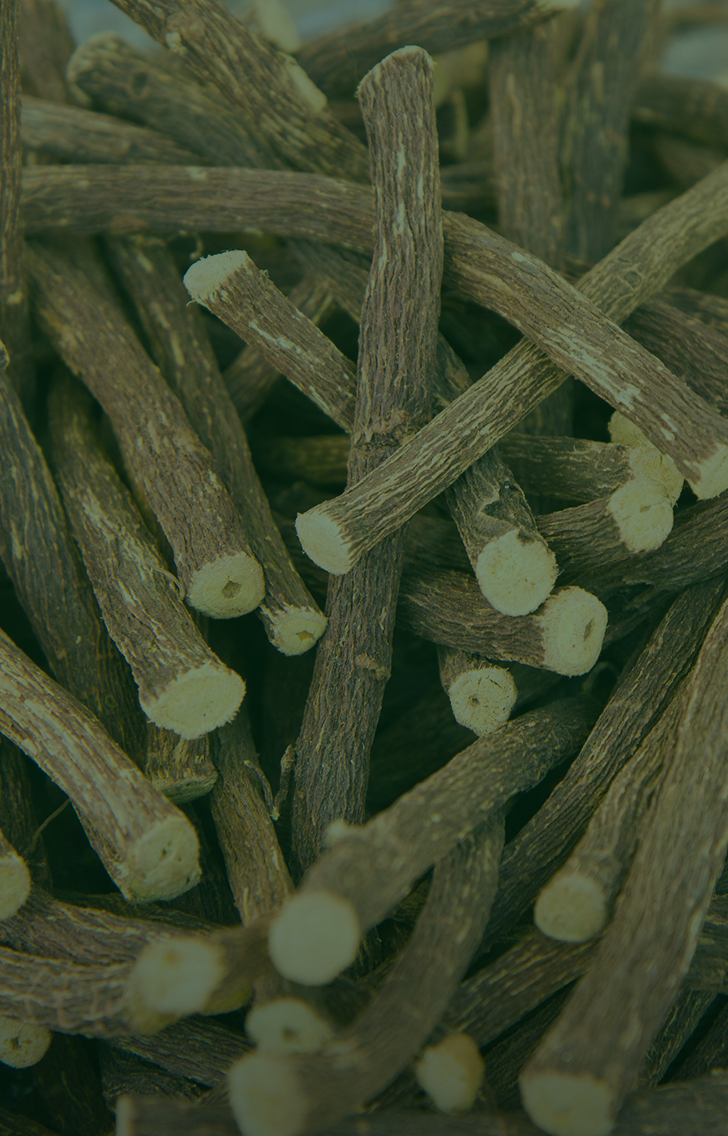
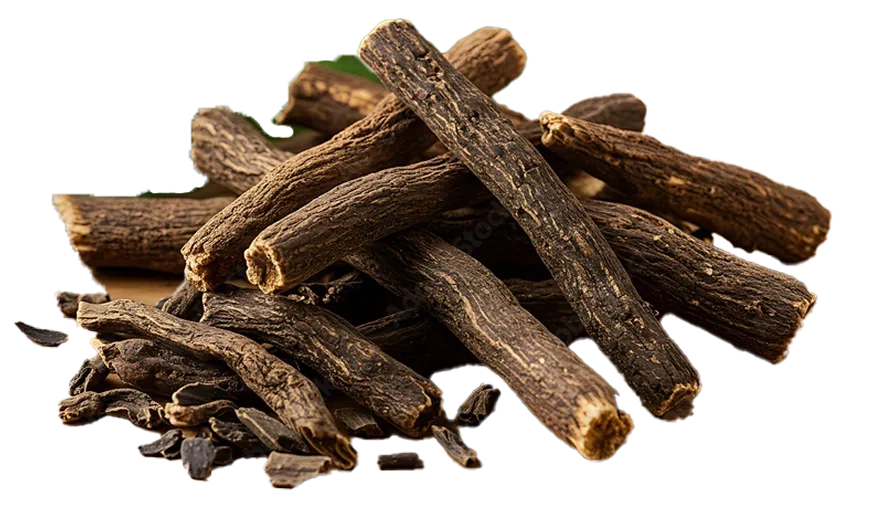
Licorice (Glycyrrhiza glabra) has been valued in Ayurveda for over 3,000 years as a versatile medicinal herb. Known as Yashtimadhu, it has traditionally been used to support digestive comfort, soothe the gastrointestinal tract, and promote healthy digestion. Ayurveda classifies licorice as a Rasayana — a rejuvenating herb believed to nourish tissues, enhance vitality, and support overall wellbeing. Its naturally soothing properties have made it a trusted traditional digestive aid for maintaining gastrointestinal health and balance.

Today, digestive health is challenged by unhealthy diets, stress, irregular eating habits, and widespread gastrointestinal disorders. These modern concerns demand scientifically validated botanical solutions that combine the traditional wisdom of licorice with contemporary clinical evidence.

Read more
Environmental impactEnvironmental impact

Science-Backed Functional Claims

Helps manage daily digestion

Supports leaky gut

Helps reduce appetite

Helps curb hunger

Promotes satiety and fullness

Helps reduce calorie intake

Helps reduce food cravings

Supports healthy blood sugar levels

Helps relieve meal-triggered indigestion

Supports management of H. Pylori

Helps manage occasional bloating and gas

Research-Driven Outcomes

Latest science

Metabolic Study in Healthy Adults

Dose: 300 mg once daily

Health Outcomes  

  • ↑ in 66% in GLP-1
  • ↓ 73% Appetitie
  • ↓ 75% Hunger
  • ↑ in 58% Satiety
  • ↑ 64% Fullness

Clinical Study 1

Heartburn and regurgitation

Dose: 75 mg twice a day before food

Health Outcomes  
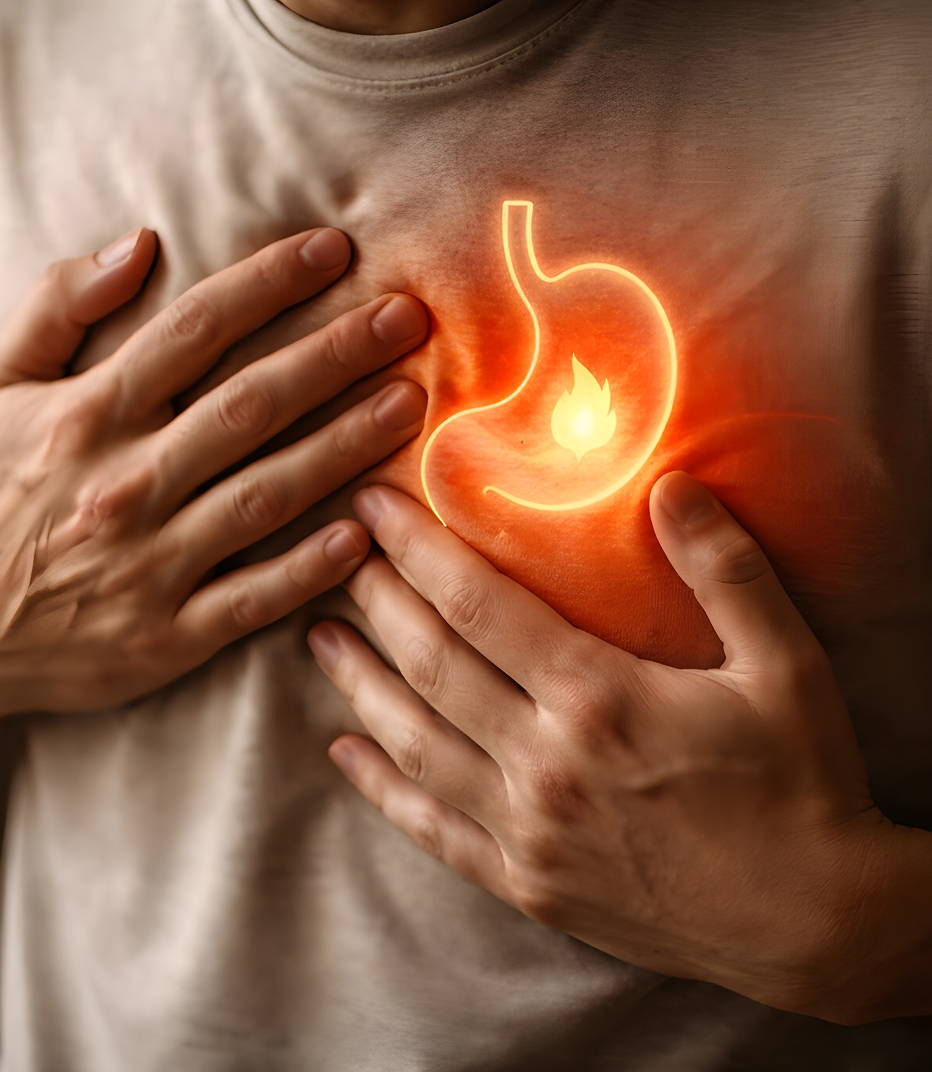
  • 87% reduction in heartburn frequency
  • 95% reduction in regurgitation frequency
  • 72% reduction in heartburn severity
  • 88% reduction in total symptoms

Clinical Study 2

Functional Dyspepsia

Dose: 75 mg twice a day after food

Health Outcomes  

  • 51% reduction in total symptom score
  • 56% of subjects showed marked improvement

Clinical Study 3

H. pylori management

Dose: 150 mg before breakfast

Health Outcomes  
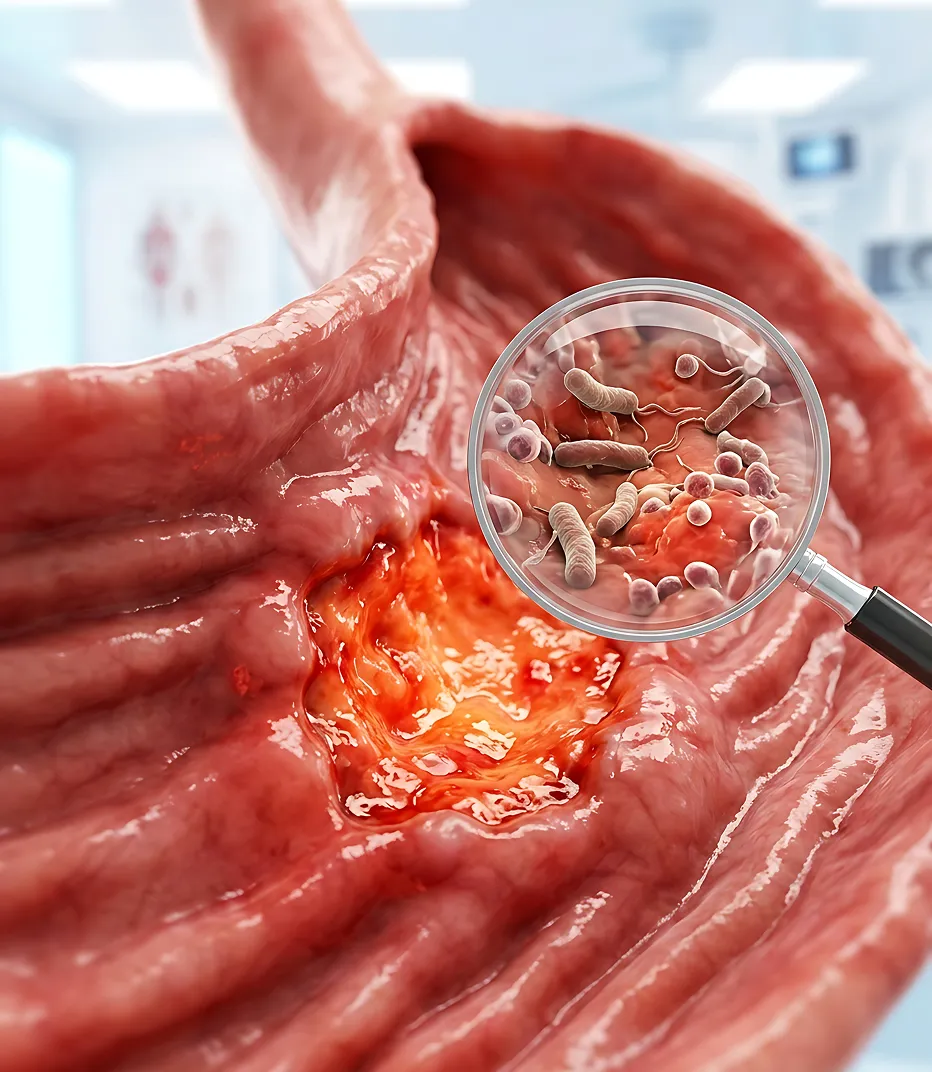
  • 41% reduction in H. pylori load
  • 48% of subjects relieved of H. pylori

Clinical Study 4

Gutgard + probiotic

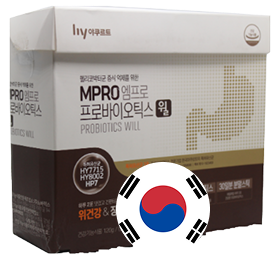
Dose: 1.0X10⁶ CFU/mL. L. paracasei and GutGard®(100 mg) (liquid)

Health Outcomes  

  • Stability of probiotic count attained until Day 14

Clinical Study 5

PK Trial on GutGard®

Health Outcomes  

  • No drug interactions observed

Preclinical Study 1

GLP-1 Support

Dose: 300 mg

Health Outcomes  

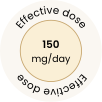
  • 150 mg HED — Supports beneficial bacteria growth
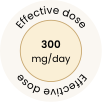
  • 300 mg HED — Reduced feed intake for up to 12 hours

Standardized Phytochemical Profile

GutGard® is a clinically researched, flavonoid-rich extract derived from Glycyrrhiza glabra.

Standardized Phytochemical Profile

>10%
Standardized to flavonoids

3.5%
Glabridin

50+
Flavonoids

<0.5%
Negligible glycyrrhizin levels

Environmental impactEnvironmental impact

Why Choose GutGard®?

Flavonoid-rich, standardized to >10% w/w by HPLC

Backed by 6+ clinical studies

Proven for digestive and metabolic support

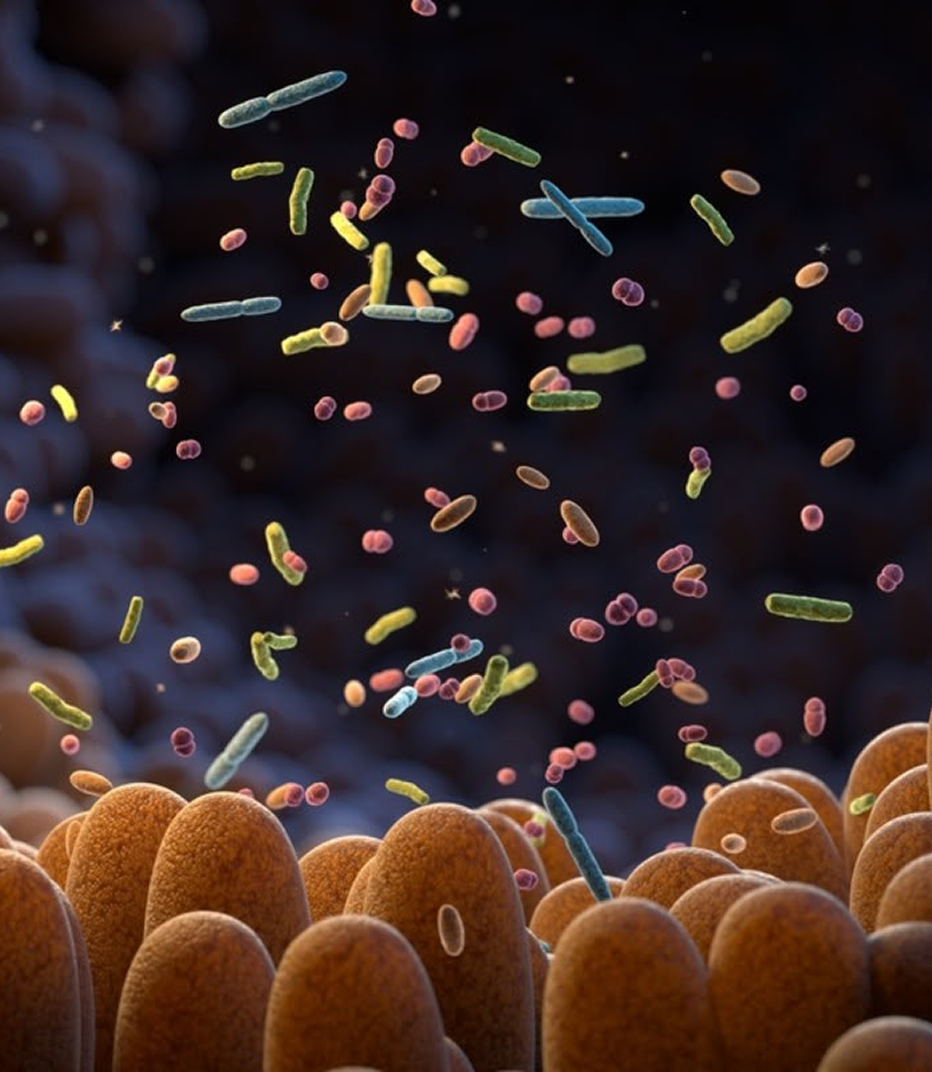
Supports microbiome modulation

Compatible with probiotics and digestive enzymes

100+ successful product launches

Non-novel food in the EU and compliant with global standards

Suitable for protein supplements to support better digestion

Helps support digestive side effects associated with GLP-1 therapies

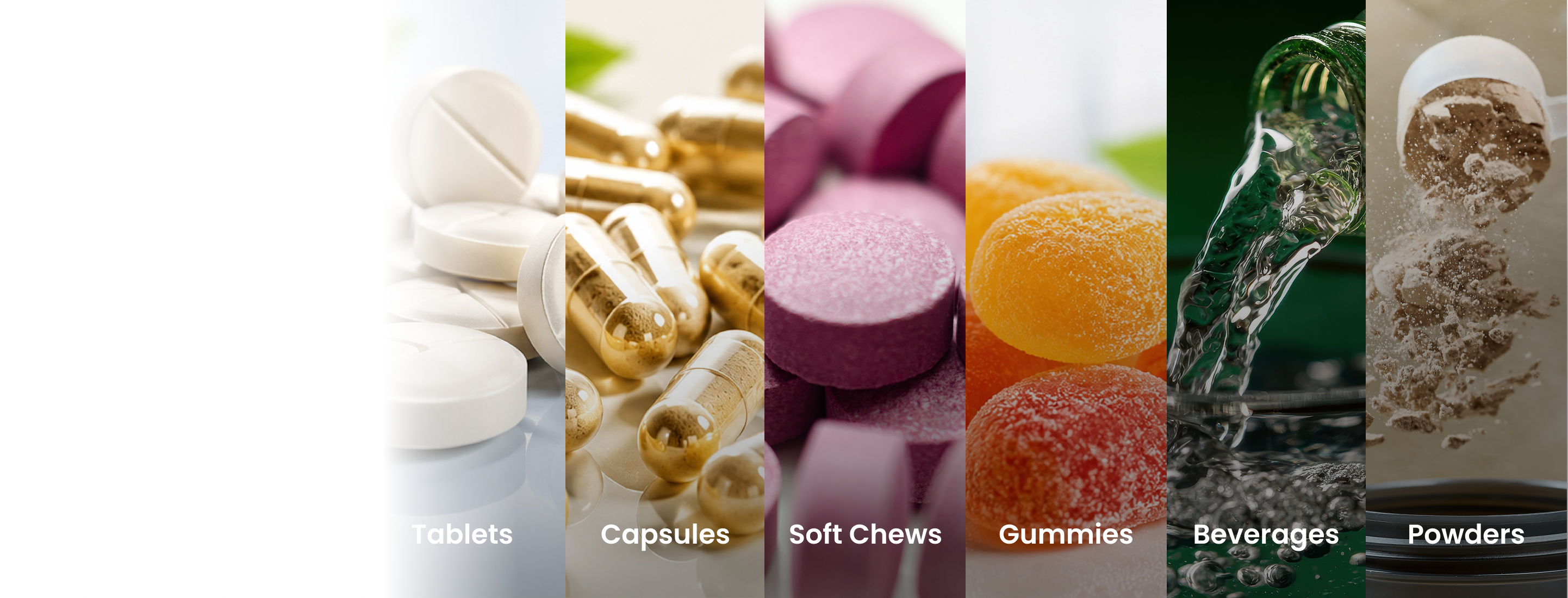
Versatile Formulations for Every Product

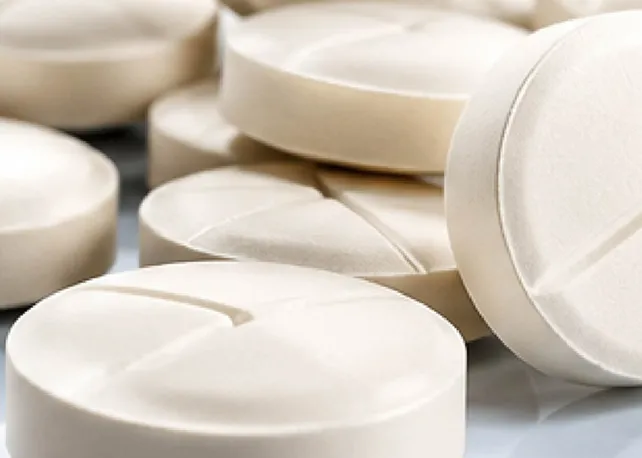
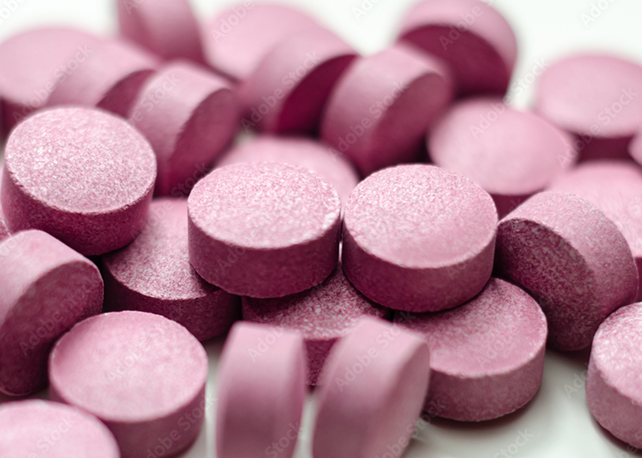
Tablets

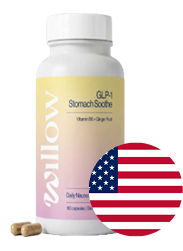
Capsules 

Soft Chews

Gummies

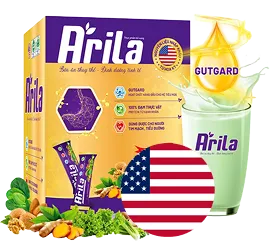
Beverages

Powders

Recognized Across Global Markets

For Digestive and Metabolic Support Formulation

Trusted by Customers Worldwide

Let's Formulate Your Next Digestive and Metabolic Health Market Leader

Contact Team
Contact Us
Glycyrrhiza glabra / GutGard / Licorice / Signature Extracts