

Age-related changes in memory health are an inevitable part of the human lifespan. However, differentiating between normal cognitive decline and pathological memory loss is vital for prevention, diagnosis, and intervention. Contemporary neuroscience, neuroimaging, and neurochemistry have shed light on the structural, molecular, and systemic processes that underlie memory loss causes.
For more science-backed insights on natural approaches to brain health, visit Natural Remedies Human Health.
Neurobiological Changes in the Aging Brain

1. Hippocampal Atrophy:
Longitudinal MRI studies demonstrate progressive shrinkage of the hippocampus, a medial temporal lobe structure essential for episodic memory formation (Raz et al., 2005). Reduced hippocampal volume correlates with deficits in anterograde memory and spatial navigation.
2. Decline in Synaptic Plasticity:
Synaptic plasticity, mediated by mechanisms such as long-term potentiation (LTP), underlies learning and recall. With age, impairments in NMDA receptor function and decreased dendritic spine density reduce the brain’s ability to form and strengthen neuronal connections (Burke & Barnes, 2006).
3. Altered Neurotransmitter Dynamics:
- Dopamine: Declines in mesocortical and nigrostriatal dopamine reduce cognitive flexibility, working memory, and reward-related learning.
- Acetylcholine: Reduced cholinergic signaling from the basal forebrain impairs attention and encoding of new information.
- Noradrenaline and serotonin: Dysregulation affects executive function and mood, indirectly influencing memory.
Check how Bacomind®, a clinically tested nootropic, supports neurotransmitter balance and cognitive performance.
4. White Matter Integrity Loss:
Diffusion tensor imaging (DTI) indicates demyelination and reduced fractional anisotropy. This slows inter-regional communication, impacting processing speed and complex cognitive tasks.
5. Oxidative Stress and Neuroinflammation:
Accumulation of reactive oxygen species (ROS) and chronic microglial activation contribute to neurodegenerative processes, damaging neuronal membranes, mitochondrial function, and DNA.
Normal Cognitive Aging vs. Pathological Cognitive Decline
Age-Associated Memory Impairment (AAMI):
Characterized by occasional forgetfulness and slower retrieval, without significant impact on independence. Neuropsychological testing shows mild deficits relative to younger adults within normative ranges.
Mild Cognitive Impairment (MCI):
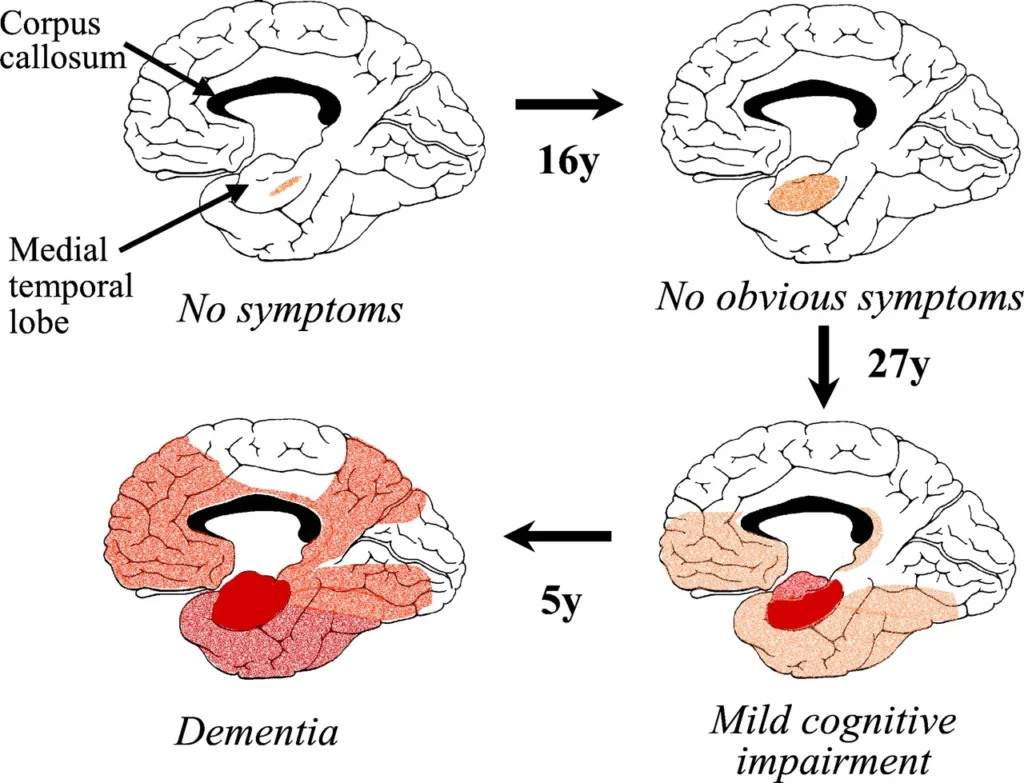
A transitional state between normal aging and dementia with measurable deficits in objective cognitive tests, particularly memory, while daily functional autonomy persists. Conversion rates to dementia approximate 10–15% per year in older adults with MCI.
Dementia Syndromes (e.g., Alzheimer’s Disease):
Neurodegenerative disorders marked by progressive decline in multiple cognitive domains, including memory, reasoning, and language, accompanied by neuropathological hallmarks such as beta-amyloid plaques and tau tangles.
Risk Factors for Accelerated Decline
Genetic:
APOE ε4 allele carriers exhibit greater amyloid burden and earlier onset of Alzheimer’s pathology.
Vascular:
Hypertension, atherosclerosis, diabetes, and obesity elevate cerebrovascular risk, contributing to white matter lesions and reduced perfusion.
Hormonal and Stress-Related:
Chronic elevation in cortisol from sustained stress causes dendritic retraction and suppressed neurogenesis in the hippocampal dentate gyrus.
Sleep Disorders:
Fragmented sleep and reduced slow-wave sleep impair glymphatic clearance of neurotoxic metabolites including beta-amyloid.
Lifestyle:
Sedentary behavior diminishes neurotrophic factors such as BDNF (brain-derived neurotrophic factor), essential for synaptic maintenance.
Evidence-Based Strategies for Cognitive Preservation
Physical Exercise:
Aerobic activity, 3–5 times weekly, induces hippocampal neurogenesis, increases BDNF levels, and improves cerebral perfusion (Erickson et al., 2011).
Dietary Intervention:
The MIND diet integrates neuroprotective components from the Mediterranean and DASH diets, emphasizing leafy greens, berries, nuts, whole grains, and omega-3-rich fish, associated with up to 53% reduced Alzheimer’s risk in adherent populations (Morris et al., 2015).
Cognitive Training:
Structured mental exercises targeting working memory, attention, and executive function enhance cognitive reserve. Examples include dual-task training, strategic memory drills, and problem-solving tasks (Ball et al., 2002).
Social Interaction:
Sustained engagement in meaningful social relationships modulates stress hormones, supports emotional regulation, and correlates with lower dementia incidence (Livingston et al., 2020).
Sleep Optimization:
Consistent, restorative sleep (7–8 hours) facilitates synaptic pruning, memory consolidation, and clearance of neurotoxic waste (Walker, 2017).
Neuroprotective Botanicals:
Ayurvedic and herbal nootropics such as Bacopa monnieri (rich in Bacoside A and B), Ashwagandha, and Ginkgo biloba have shown promise in supporting synaptic plasticity, modulating neurotransmitters, and reducing oxidative damage.
Conclusion
Memory decline is not an inevitable descent; it is influenced by a matrix of biological, environmental, and lifestyle factors. The trajectory of cognitive decline can be modified by interventions that bolster neuronal resilience, enhance synaptic function, and maintain systemic health. Early detection of deviations beyond normal aging, such as disproportionate forgetfulness, functional impairment, or rapid decline, is central to timely therapeutic engagement.
The convergence of neuroimaging, molecular neuroscience, and longitudinal epidemiological data underscores one clear truth: adopting brain-healthy behaviors throughout life, physical activity, nutrient-rich diet, cognitive engagement, stress regulation, quality sleep, and, where appropriate, scientifically validated nootropics, offers a tangible pathway to protecting memory and maximising mental clarity well into advanced age.